Kategori: Creativity

  • Creativity, Process, and the Human Experience

    Creativity, Process, and the Human Experience

    Creativity has long been romanticised as a flash of inspiration – a sudden spark that strikes when we least expect it. But in reality, creativity is rarely about waiting for a eureka moment. It is a process, an intentional act of shaping ideas, testing possibilities, and refining concepts. True innovation doesn’t just emerge from raw imagination; it comes from structure, discipline, and the willingness to iterate.

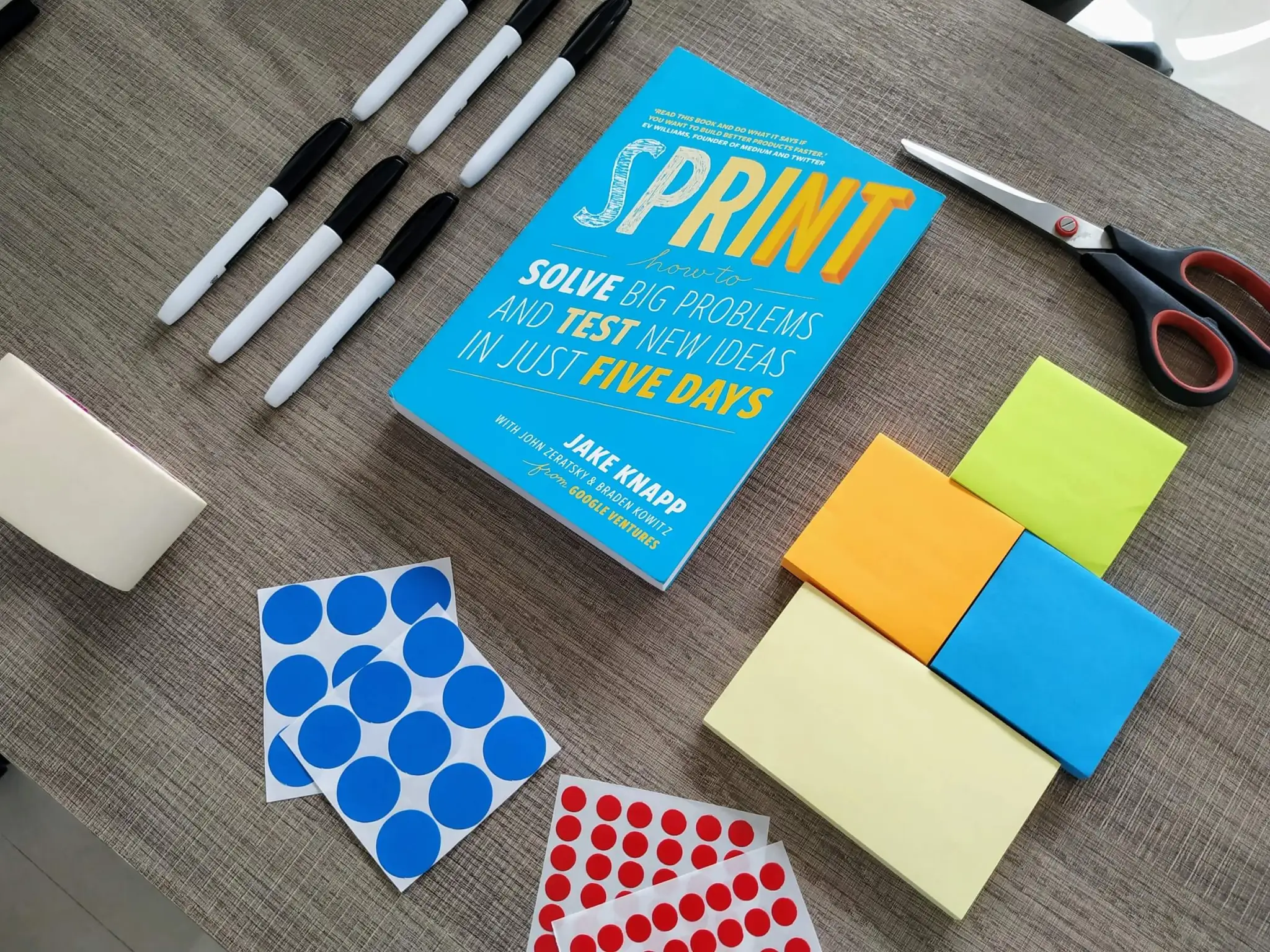
    At Managed Wisdom, we believe that creativity is not just an individual talent but a collective process. The most powerful ideas don’t emerge in isolation; they are cultivated through collaboration, feedback, and structured problem-solving. That’s why we apply methodologies like the Design Sprint and Foundation Sprint to help organizations turn creative energy into tangible innovation.

    Structure as a Catalyst for Creativity

    Some may argue that structured processes limit creativity, that they impose constraints on free thinking. But in reality, constraints fuel creativity. The most innovative breakthroughs often come from working within a defined framework. The Design Sprint, originally developed by Google Ventures, is a prime example. It compresses months of ideation, prototyping, and validation into just a few days, pushing teams to focus on solutions rather than endless discussions.

    Then there’s Foundation Sprint, a methodology developed by James Knapp, which takes a step back to deconstruct assumptions, clarify purpose, and align stakeholders before diving into execution. If Design Sprints accelerate solutions, Foundation Sprints ensure that we’re solving the right problem to begin with. The two complement each other, one setting the stage for clarity, the other driving momentum toward action.

    By applying these processes, we don’t leave creativity to chance. We guide it, refine it, and ensure it leads to meaningful outcomes.

    The Human Element of Innovation

    Despite all the tools and processes available, there is one thing that cannot be engineered: the human experience behind every idea. AI can generate designs, analyze trends, and predict market movements, but it cannot replicate the depth of human insight, the feeling of knowing when an idea just “clicks” or the intuition that tells us to pivot in a new direction.

    Creativity is deeply personal. It’s shaped by our backgrounds, our struggles, and our lived experiences. That’s why, at Managed Wisdom, we emphasize human-centric innovation. We don’t just help companies generate ideas, we help them uncover the deeper “why” behind their challenges, ensuring that creativity leads to solutions that are not just novel, but meaningful.

    Making Creativity Work for You

    Innovation isn’t magic. It’s a process that can be learned, practiced, and optimized. Whether through sprints, workshops, or strategy sessions, the goal is always the same: to unlock human potential, not replace it. The future of creativity isn’t about machines doing the thinking for us. It’s about harnessing the right tools and frameworks to make human ideas more powerful, more impactful, and more real.

    And in the end, isn’t that the true essence of creation?
  • The Essence of Creation in the Age of AI

    The Essence of Creation in the Age of AI

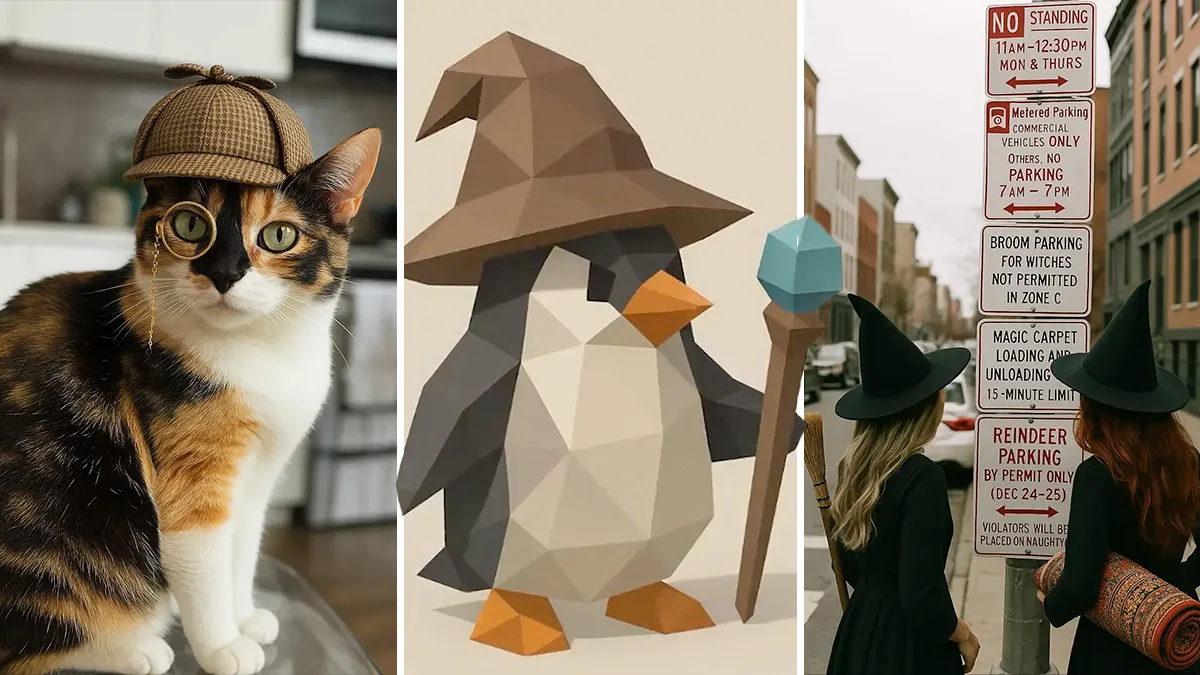
    Creativity has long been considered a uniquely human trait, our ability to imagine, transform, and bring something entirely new into existence. But with AI increasingly stepping into the realm of creation, the very definition of creativity is being challenged. The recent advancements in image generation from OpenAI highlight this shift, raising the question: What does it mean to create in a world where machines can generate art in seconds?

    AI as a Creative Partner

    Roger von Oech once said,

    “Creativity is transforming one thing into another.”

    This definition still holds, but AI’s role in the transformation process is evolving. Previously, AI was a tool, a brush in the artist’s hand, an assistant for executing human vision. But today, AI models can generate breathtaking images from just a few words, blending styles, reimagining concepts, and even surprising us with results we didn’t anticipate.

    Does this mean AI is now creative? Or is it merely an advanced mimic, reshuffling patterns it has learned from millions of human-made works? The answer depends on how we define creativity. If creativity is purely the ability to generate something new, AI is undeniably creative. But if creativity involves intent, emotion, and personal experience, then AI remains a collaborator rather than an originator.

    The Unrepeatable Human Experience

    What AI lacks, and what it may never possess, is personal experience. Every human is shaped by their own journey, their struggles, joys, failures, and triumphs. The way we create is not just about combining ideas but about filtering them through the lens of who we are and what we have lived.

    A machine can generate a beautiful painting, but it does not know the bittersweet ache of nostalgia, the thrill of discovery, or the weight of loss. It does not wake up with a burning idea in the middle of the night or struggle with self-doubt before daring to share its work with the world. These raw, personal moments are the true dopamine of creation.

    The essence of creativity is not just the final product, it is the process of interpretation, of making meaning from our experiences, and of infusing something with the uniqueness of our perspective. This is why, no matter how advanced AI becomes, it can never fully replace the artist, the thinker, or the storyteller. Because what we create is not just an arrangement of pixels or words, it is a piece of ourselves.

    Creativity Beyond Output

    Much like the flood of digital content today, AI-generated images risk making creativity feel abundant, even disposable. But true creativity has never been about sheer production, it’s about transformation. The process, the struggle, and the meaning behind what we create are what truly matter.

    At Managed Wisdom, we see this shift in creativity not just in the arts but in strategic thinking. AI can generate ideas, analyze trends, and offer insights, but the real transformation happens in how we use these tools, how businesses and leaders integrate AI into their vision, shape their strategy, and push the boundaries of what’s possible.

    The future of creativity isn’t AI replacing human ingenuity. It’s about how we, as creators and strategists, adapt, refine, and elevate AI’s capabilities. Because in the end, creativity isn’t just about making something, it’s about making something matter. And that, at its core, is a uniquely human gift.

  • The Essence of Creativity

    The Essence of Creativity

    What is the essence of creativity? This question has been my companion for some time now, a puzzle I am eager to solve in a way that aligns with my values and experiences. At this stage of my exploration, one particular definition resonates deeply with me. It comes from the creative thinker Roger von Oech:

    “Creativity is transforming one thing into another.”

    Why does this statement strike a chord with me right now? Like many, I often find myself reflecting on the relentless pace of the world around us. We are surrounded by an overwhelming stream of information, an endless cycle of new products, ideas, and distractions, all designed to feed our insatiable desire for novelty. We chase the next exciting thing, hoping to feel relevant, engaged, and in the moment. But in doing so, we often overlook something fundamental: the process behind creation itself.

    In our obsession with outcomes, we miss the joy of the creative journey. The act of transforming one thing into another, whether it’s an idea into a story, raw materials into art, or experience into wisdom, is where the real magic happens. Creativity is not just about producing something new; it’s about engaging with the world in a way that changes both it and us in the process.

    The Evolution of Creativity

    The way we think about creativity today is a modern construct. In ancient times, creativity was not seen as an individual gift but as divine inspiration. The Greeks spoke of the Muses whispering ideas into the ears of poets and thinkers. The Renaissance shifted this view, introducing the concept of the “creative genius”, a person uniquely capable of innovation, like Leonardo da Vinci or Michelangelo.

    By the 20th century, creativity became democratized. It was no longer reserved for artists and inventors; psychologists and educators argued that creativity was a fundamental human trait, one that could be nurtured in anyone. But have we truly embraced this idea? Or have we, in our pursuit of mass production and efficiency, lost sight of the intrinsic value of creative thought?

    Creativity vs. Innovation

    This raises another question: is creativity the same as innovation? Many use these terms interchangeably, but they are not quite the same. Creativity is the act of bringing new ideas to life, while innovation applies those ideas to create tangible value. One is about exploration; the other, execution.

    Consider figures like Nikola Tesla and Thomas Edison. Tesla was a visionary, dreaming up revolutionary concepts, but it was Edison, the relentless experimenter, who turned ideas into practical inventions. Both were essential in shaping modern technology, yet they embodied different aspects of the creative process. So, where do we place the greatest value? On the raw, unfiltered spark of an idea, or on the ability to make it real?

    Reclaiming the Joy of Creation

    Looking at history, it’s clear that creativity has always been at the heart of human progress. Yet today, we risk treating it as a commodity, something to be optimized rather than experienced. Perhaps it’s time to pause and ask ourselves: are we creating for the sake of transformation, or just for the sake of production?

    The joy of creativity is not in the final product but in the act of making. Whether we are crafting, writing, designing, or problem-solving, the true reward is the process itself. When we embrace that, we don’t just create, we grow, we evolve, we transform. And in the end, isn’t that what creation is really about?

    This perspective is something I bring into the strategy workshops and advisory work at Managed Wisdom. True strategy isn’t just about achieving an end goal; it’s about engaging with the process of discovery, challenging assumptions, and transforming insights into action. In every session, the focus isn’t just on what organizations should do but on how they think, adapt, and create.

    Because whether in business or in life, creativity is the driving force behind meaningful change. And when we embrace it, not just as a tool for innovation, but as an essential part of how we approach challenges, we don’t just solve problems. We shape the future.